Posts

Showing posts with the label Gender in Film and TV

Debunking the Hollywood Gender Pay Gap

Image
A few days ago Ashton Kutcher tweeted his support of fellow actor Natalie Portman, and her challenge to negotiate employment contracts of equal worth to her male colleagues. ‘News’ regarding the Hollywood gender pay gap have also recently also resurfaced in the form of Meryl Streep’s enthusiastic reaction to Patricia Arquette’s 2015 Oscar speech calling out the gender pay gap in Hollywood. (This was on the back of Streep’s recent Golden Globes 2017 acceptance speech, which similarly characterized the Hollywood elite as one of the most victimized demographics within the US).  via GIPHY Kutcher, and Bradley Cooper before him, has expressed their support after learning that their Portman and Jennifer Lawrence, respectively, were paid a smaller fee for starring in the same film. In these two examples, the fees earned by the male and female costars is comparable (as elaborated in the infographic below). However, more generalized  discussions regarding the H...

Why Games of Thrones does not perpetuate "rape culture"

Image
The steady stream of commentary that continues to slam popular TV shows like GoT for perpetuating "rape culture" is logically untenable. The crux of the argument is that such TV programs are overly reliant on sexist tropes, which function to reinforce patriarchal authority and female oppression out here in the real world. A principal presumption bolstering this argument is that the representation of women getting raped by men is a trope; one that furnishes the plot with a female victim, and provides the male protagonist with the motivation he needs to spring into heroic action and save the day. In GoT, this trope certainly remains prevalent, however we must also acknowledge the prevalence of the trope of the "disposable" male, which sees countless male characters deposed and mutilated. Let's go through some notable examples: Theon "Wreek" Greyjoy is raped and castrated with the assistance of two sadistic women. Gendry, the bastard heir to t...

I am not a feminist.

I am not a feminist. The policing of gender is a key cause of violence against individuals. It seems to me that if policing gender is a cause of violence, then it cannot also be the solution.

Transcending sexist tropes and stereotypes

Image
Gender stereotypes and tropes present the contemporary Western world with a very particular type of conundrum. As feminists have pointed out for decades, the dominant ways in which women are represented in popular culture have a tendency of naturalising certain behaviours, roles and identities as ideally feminine, and demonising others as a deviation from propriety and decorum. For instance, before the second wave of feminism washed through the streets of Western civilisation, good women were represented as serving husbands, tending children and repressing sexual desire. Our ability to resist, abolish and transcend these modes of categorisation, is however, fundamentally limited by the fact that such categories have a certain social currency that cannot be easily done away with. For instance, stereotypes and tropes have a symbolic utility, they allow for easy communication of meaning between individuals based in existing and recognisable conventions. Many roles and trope...

Expendable Men and Modern Women in Frozen

Image
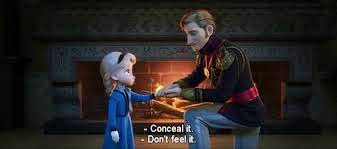
So I have finally got around to viewing Disney’s 2013 animation Frozen (Chris Buck and Jennifer Lee, 2013). Let me say up front that it took me two attempts to get through the film, because I am, for the most part, not a fan of musicals. Also be aware that in the pursuit of an informed critique of gender and feminism, this film review contains numerous spoilers. Frozen transforms Hans Christian Anderson’s classic fairy tale about a villainous The Ice Queen, into a nuanced account of how social prejudice drives desperate people to commit (what are perceived to be) harmful or immoral acts. The film begins with an unfortunate childhood incident when Princess Elsa accidently harms her little sister Princess Anna, when she misdirects her magical power to conjure up ice and snow. This sets the scene for Elsa’s isolation and her life-long quest to suppress the emotions that regularly set off her strengthening powers. Fast-forward a number of years, the girls have come of age, their par...

The logic of popular debates about gender inequality

Image
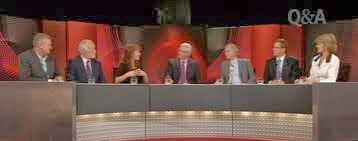
It’s time that media discussion and debate about gender inequality establishes some ground rules, namely logical consistency. Reading Clementine Ford’s opinion piece ‘ Male privilege extends beyond the airwaves ,’ written for the ABC’s drum, brings this to bear. This is a cut-and-dry feminist argument that the lack of women in Australian media is detrimental to female equality in society at large. The evidence offered is quite staggering. For instance in talk back radio this time last year there were only 17 female hosts to 123 male hosts. Moreover, Ford’s critique of the ABC program Q&A is spot on, which regularly populates its panel of experts with a 4:2 ratio of men to women. Interesting she ‘guesses’ that if this ratio was in reverse, there would be a vocal audience backlash. To this last point I would caution that conjecture is not evidence. It is, however, the logical inconsistency of Ford’s central proposition with which I take issue. Ford states: ...

International Women’s Day and the Disposable Male

Image
Western society has made a lot of headway since the inception of International Women’s Day over 100 years ago. However, the women’s movement has failed to evolve with the society that it has helped to change, and to adapt its priorities to the dynamic landscape of gender relations. In the realm of film and television, activism has taken the form of contesting the negative portrayal of women as sex objects to be leered at, deadly women who lead the hero to their doom, and the image of unattainable perfection to which we should all aspire but can never achieve. And the evidence for this is undeniable. It is, however, only half of the picture. Screen representations also tend to glorify harmful representations of men. According to evolutionary psychologist Karen Straughan , men are only valued in Western culture insofar as they are willing and able to sacrifice themselves for the good of the masses, for instance in war, and via the performance of back-breaking manual labour. Men ...